

Building Community Through Compassion

CARE is a movement
Communities across Snohomish County are coming together to strengthen the wellbeing of children, youth, and families. By focusing on children’s wellness, suicide prevention, and behavioral health, community partners are working to create stronger systems of care and support.
The key areas of focus
Each part of the movement brings people, organizations, and resources together to support children, youth, and families across our community.
-
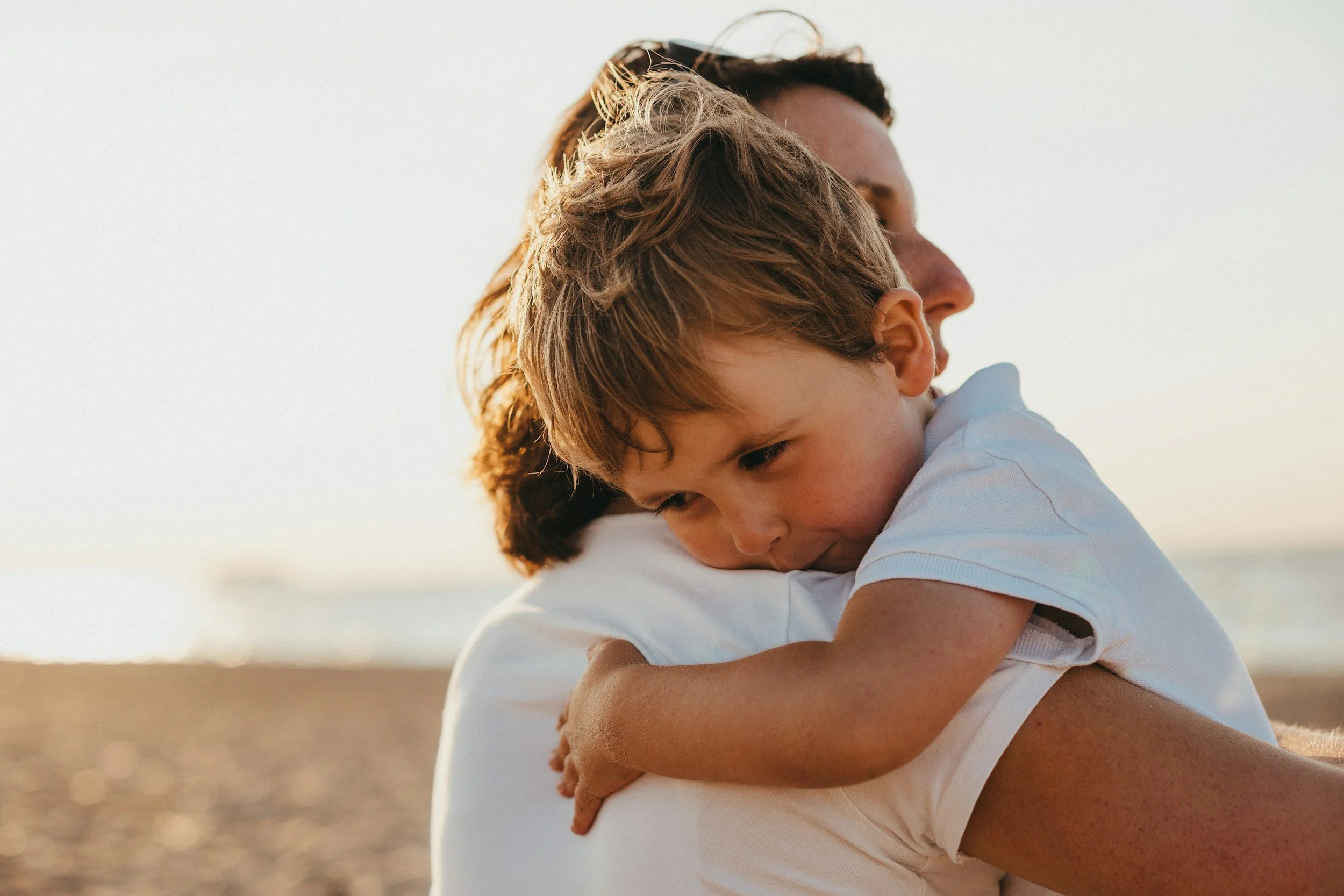
Children's Wellness Coalition
Building shared understanding around trauma and resilience so children and families are supported by trauma-informed, compassionate adults and systems.
-
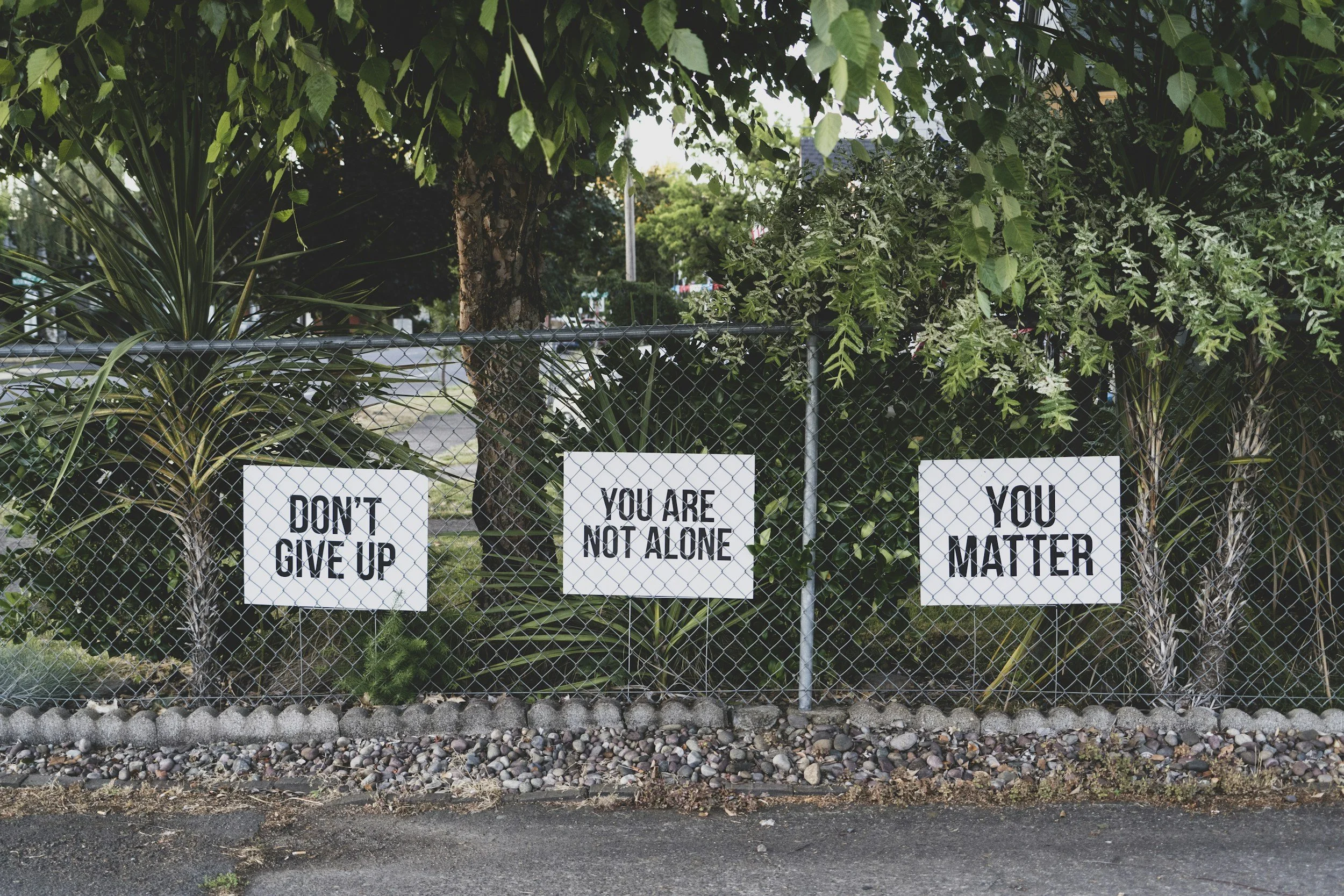
Youth Suicide Prevention Taskforce
Uniting partners across the county to strengthen prevention efforts and ensure young people have trusted adults and responsive support when they need it.
-

CARE Cohorts
Creating opportunities for shared learning and collaboration so organizations can apply trauma-informed approaches in meaningful, practical ways.
“There is hope, even when your brain tells you there isn’t.”
— John Green, Author of Turtles All the Way Down
Why this work matters
These realities around behavioral health and well being underscore the urgency, commitment, and heart behind building stronger, more supportive communities.
20%
In any given year, only 20% of children with mental illness in the United States are identified and receive mental health services.
50%
50% of mental illness begins by age 14.
70%
70% of youth in Snohomish County who died by suicide reported a history of being bullied.
*Based on CDC statistics from the 2021 Surgeon General Report and the November 2025 Child Fatality Review; this statistic represents general estimates and reported data.

Become a CARE Organization
The CARE designation program is designed to support organizations working to embed trauma-informed practices into everyday work. Through training, collaboration, and shared resources, participants strengthen resilience across the communities they serve.